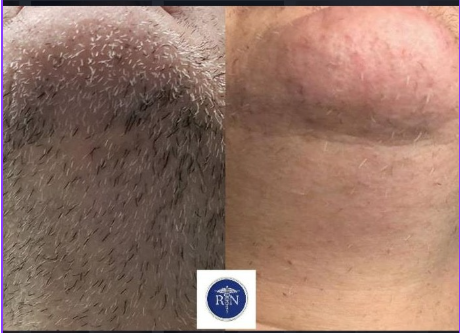
Unwanted facial hair growth can be a distressing experience for many women, often leading to confusion and self-consciousness. As they begin to notice coarse hair on their chin, upper lip, jawline, or cheeks, it raises the question: Why do women develop unwanted facial hair? While numerous factors play a role, hormonal changes frequently lie at the core of the issue. By understanding the underlying causes, women can better navigate their options for managing and treating this common concern.
In this blog post, we'll delve into the hormonal influences that contribute to unwanted facial hair growth and explore common medical conditions that exacerbate the problem. Moreover, we'll provide a comprehensive overview of effective treatment options available to women seeking to regain confidence and control over their bodies. Armed with this knowledge, women can make informed decisions and find relief from unwanted facial hair.
Understanding the hormonal influences behind unwanted facial hair growth in women
Unwanted facial hair growth in women often stems from hormonal fluctuations that can disrupt the delicate balance of androgens and estrogens in the body. Hormones play a crucial role in regulating hair growth, and when androgen levels rise, they can stimulate hair follicles on the face to produce coarser and darker hair. This process can be particularly pronounced in women experiencing conditions such as Polycystic Ovary Syndrome (PCOS) or during the transition into menopause, when estrogen levels begin to decline. The increased production of androgens during these times can lead to the development of unwanted facial hair, creating frustration and distress for many women.
Additionally, hormonal influences are often exacerbated by genetic predispositions and other health issues. Women with a family history of hirsutism or excess facial hair may find themselves more susceptible to these hormonal changes. Other factors such as medication, thyroid disorders, and insulin resistance can further complicate the situation by altering hormonal levels. Understanding these hormonal influences is key to addressing the underlying issues that contribute to unwanted facial hair growth, allowing women to seek targeted treatments and management options tailored to their individual needs.
Common conditions that cause women to develop unwanted facial hair
Several hormonal conditions significantly contribute to unwanted facial hair growth in women. One of the most prevalent is Polycystic Ovary Syndrome (PCOS), affecting around 1 in 10 women of reproductive age. Women with PCOS often experience an imbalance of hormones, leading to elevated androgen levels, which can stimulate hair follicles to produce coarse, dark hair on the face and body. Alongside facial hair growth, additional symptoms may include irregular menstrual cycles, acne, and fertility issues. Understanding PCOS is crucial for women experiencing these symptoms, as early diagnosis and appropriate management can help control both the hair growth and the overall hormonal imbalance.
Another condition that can lead to unwanted facial hair is menopause, a natural phase in a woman's life marked by a decline in estrogen levels. As estrogen decreases, the balance between female hormones and androgens shifts, often resulting in the increased visibility of facial hair on the chin, upper lip, and jawline. Furthermore, women undergoing testosterone replacement therapy may also find themselves dealing with unwanted hair growth, as the therapy often activates previously dormant hair follicles, turning fine vellus hairs into thicker, darker terminal hairs. Genetics is also a significant factor; a family history of unwanted facial hair can increase a woman's likelihood of experiencing similar changes. Understanding these common conditions is vital for effective management and to alleviate concerns surrounding unwanted hair.
Effective treatment options: What women need to know about managing unwanted facial hair
Managing unwanted facial hair involves a combination of effective treatments and lifestyle considerations. Women dealing with conditions like PCOS or hormonal fluctuations can benefit from various hair removal methods, such as electrolysis and laser hair removal. Electrolysis permanently destroys individual hair follicles and is safe for all skin types, making it a reliable option for those struggling with excessive hair. However, it's crucial to understand that while electrolysis can effectively treat existing hair, it does not address the hormonal imbalances that may cause new hair growth. Regular treatments may be necessary, especially in areas prone to hormonal activity.
Laser hair removal offers another viable solution, particularly for larger areas like the legs or back. This method targets multiple follicles at once, providing significant long-term hair reduction. Yet, it is not a permanent solution; maintenance treatments are often required, particularly for women with underlying hormonal issues. Both electrolysis and laser hair removal can significantly reduce unwanted hair, allowing women to feel more confident in their skin. When considering treatment options, consulting with a healthcare provider or a qualified specialist can help create a personalized plan that addresses both the symptoms and the underlying hormonal causes of unwanted facial hair.